There is a straightforward answer as to the best time for Uluru and Kata Tjuta: between May and September. For the majority of travellers, you will want to be there in those months, with the ideal window being May or June, August and into early September. You will find the days are not so hot in the Red Centre, making for safer hikes and unobstructed morning sunrises, and you can put in some good time at both without the heat getting to you.
To put it plainly, Uluru is more accommodating over the course of the year, particularly for a quick walk or to catch the sun going up or down. Kata Tjuta is less so; the Valley of the Winds will shut you out if it is too hot. Make no mistake, if you intend to do some proper walking and not just stand at a lookout for a photo, Kata Tjuta will dictate when you go. Rowan Fairchild would say to organise your trip around the walk that means something to you, not some postcard notion.
A Practical Start
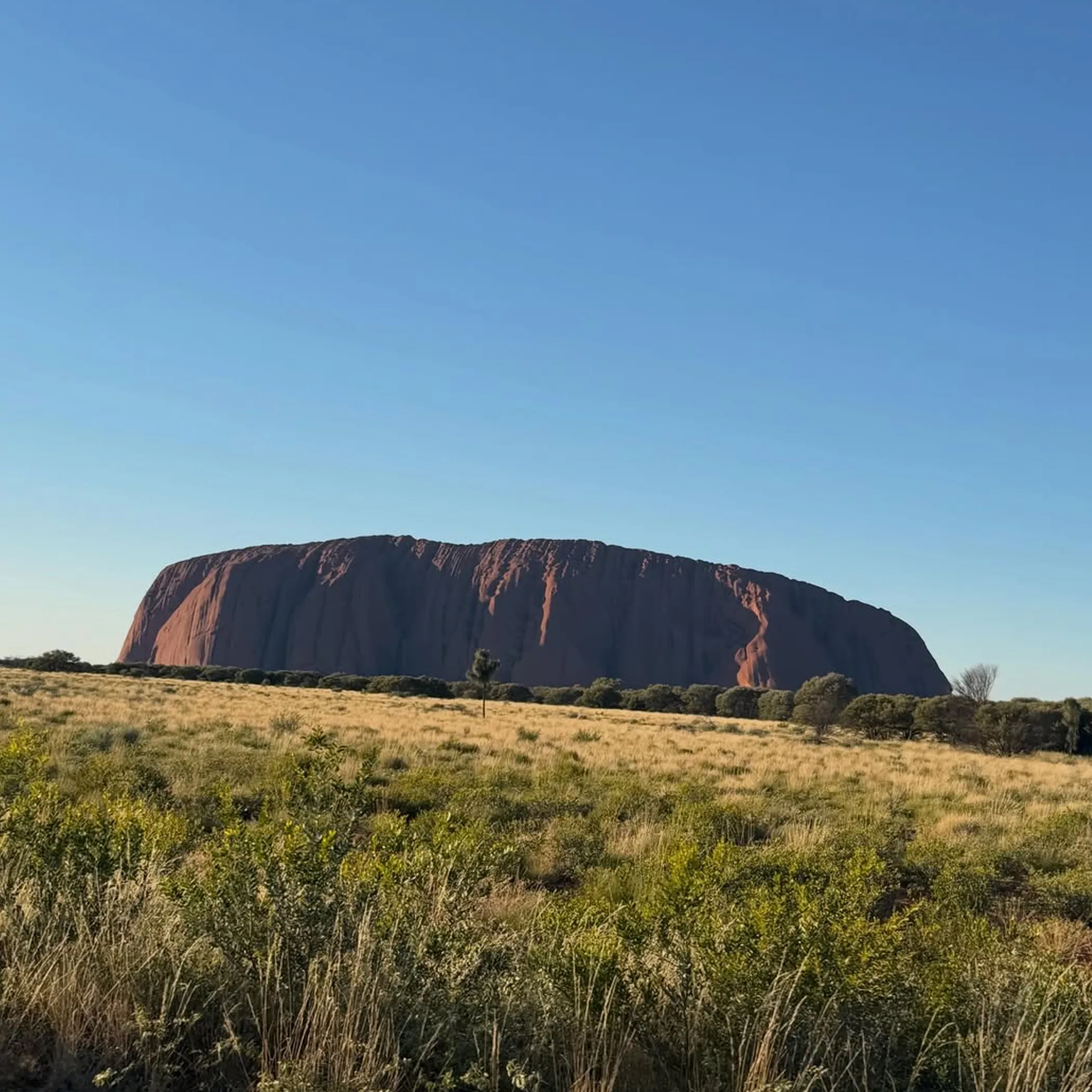
One does not simply decide on “winter” for Uluru and Kata Tjuta and be done with it. The season has a bearing on track access and whether an afternoon becomes a frying pan full of flies, to say nothing of how early you have to set off for a base walk. People are not put off by the thought of desert heat so much as they are by what it actually is. The Red Centre is not given to half-measures; under-estimate the wind and dryness and a day that seems fine on paper will be rough as guts come late morning.
The Short of It
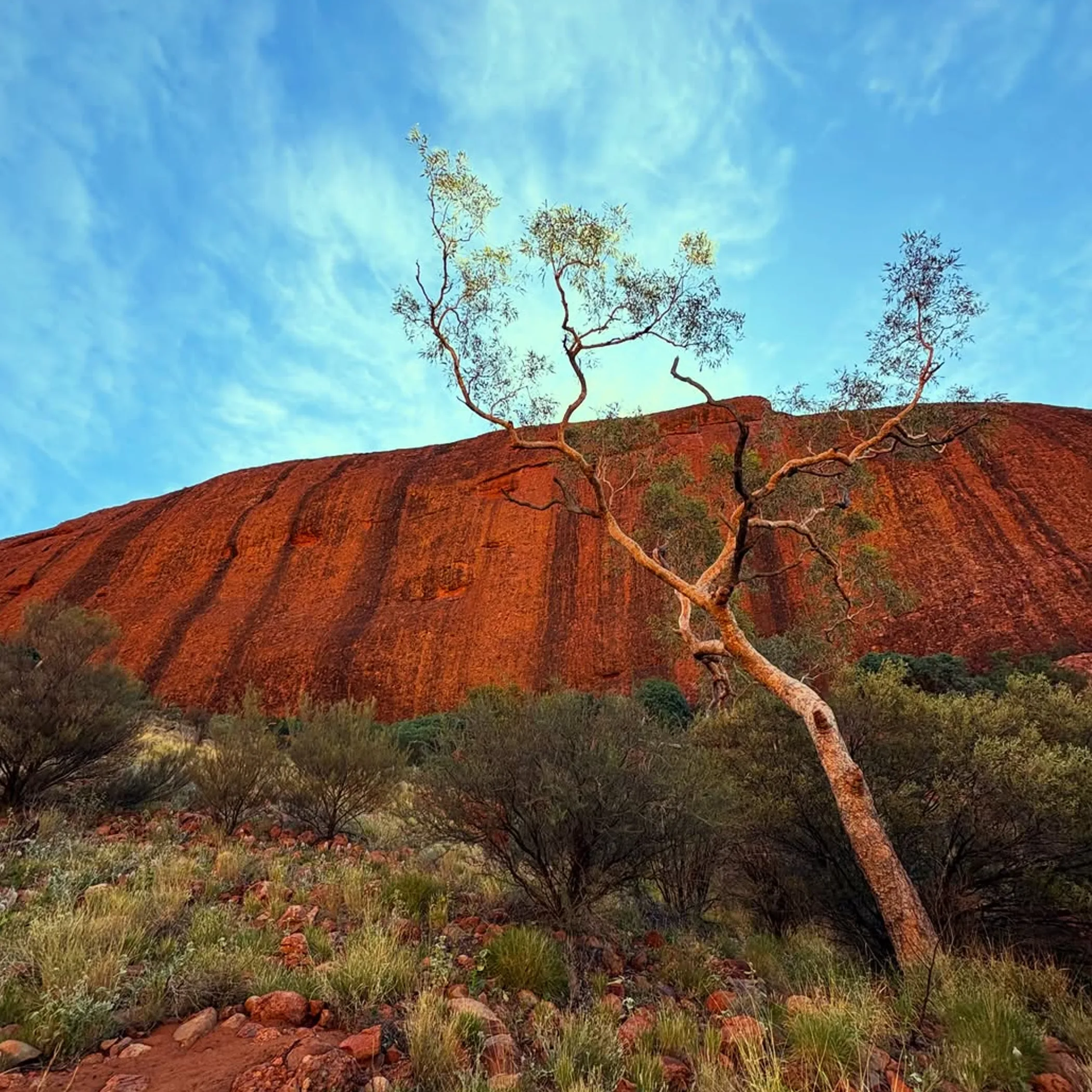
Late autumn to early spring is where you should be looking for the best of Uluru vs Kata Tjuta. These months are considered prime prime Uluru exploration windows. All told, May to September is the most robust period, with June and August being the surest bet for stargazing and viewing the sun at either end of the day. You can make October to April work if your agenda is cultural experiences and short dawn excursions from the lookouts, but then you have to factor in stormy weather and closures. Do not be casual about summer if the Valley of the Winds is what you are after.
Months That Work Best
May or August is usually the Uluru best month. In May you have pleasant mornings and do not run into the bottlenecks of the mid-year holiday rush. August is dependable, albeit with a bit more traffic and a cold enough dawn. With Kata Tjuta the pattern is much the same only the cooler months are of greater import on account of the walking. For a simple answer on when to make for Uluru, go in May to August and be up early.
How Timing Makes a Difference
They may be in the one national park with the same climate and appear to be an easy pair, but in reality the two put up different behaviour with visitors. Uluru is flexible, Kata Tjuta requires you to have some respect for the physical demands and the weather. As Rowan Fairchild would have it, Uluru will give you a worthwhile visit even with the weather on a tight rein, whereas Kata Tjuta wants to know you have the water and the readiness to let the track be the boss. Most guidebooks do not make enough of that.
Uluru’s Flexibility
You can have a good visit to Uluru by starting early and toning it down later when the temperature rises. It is well suited to the Mala Walk, the cultural sites and the sunrise and sunset platforms, as well as parts of the base walk when it is cool.
Kata Tjuta and the Weather
There is an argument to be made for a sunrise or sunset at Kata Tjuta but the draw for many is the Valley of the Winds. It is a far more arduous and exposed affair than a stop at a viewpoint and subject to closure in extreme conditions. If hiking is of prime importance, the timing of a Kata Tjuta visit is all the more critical. A Quick Look at the Best Months
You will find the division is a simple one. For the majority of visitors, the sweet spot is the dry season from May through September. Then there is October to April, which is more demanding and hot; it is for the sort of traveller who can put up with early rising and not as many walking options and does not mind the harshness. The Red Centre’s dry season affords you more dependable weather for your walks, if local conditions do have their variations.
We have set out the months in practical terms below rather than in the way a brochure would have it. There is no call for poetry when you are in a car park at 10.30 am and your water bottle has already gone warm.
| Period | Typical Conditions | Best For | Main Risks |
| May | Mild days with cool mornings | A base walk or the Mala Walk, Valley of the Winds, sunsets | Bookings are popular |
| June–July | Mornings are cool to cold, days mild | Put in some longer walks, plan a full day, stargaze | Cold dawns and the school holiday rush |
| August–September | Warming days, cool to start | Touring in general, Kata Tjuta and sunrise | Midday warmth, more people about |
| October | You will need an early start, hotter days | Scenic stops and a short dawn walk | Long hikes are less comfortable, risk of heat stress |
| November–March | Extreme to very hot, chance of storms | Short experiences, sunset or sunrise | Uluru summer heat must be avoided, some closures |
| April | A transition month, warm still | Shoulder-season and early walking | Daytime heat lingers |
When the Daily Window is Right
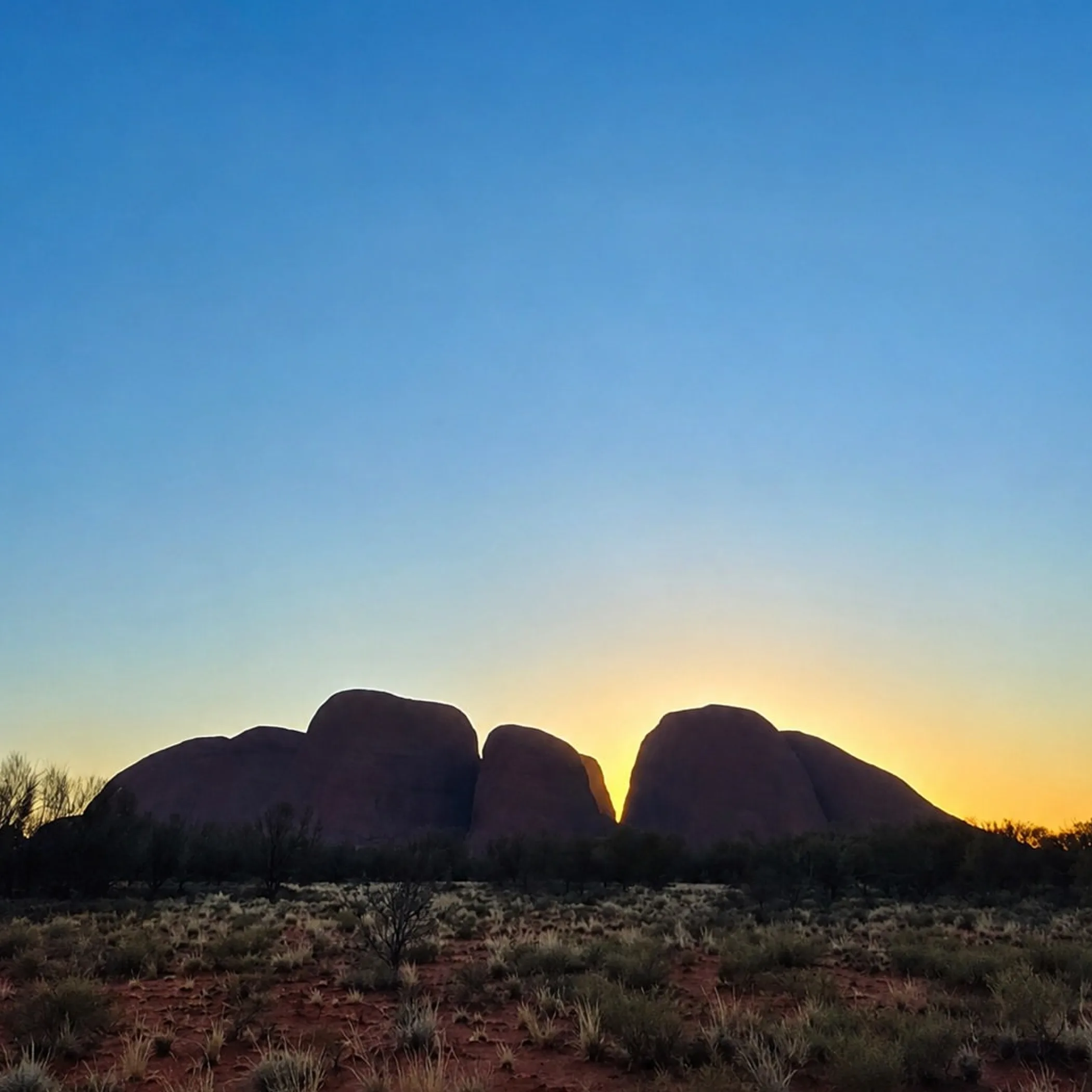
The clock is almost as important as the month, even in good season. To get the best light and temperatures at Uluru, without the place feeling like an oven door, go for the prime windows of mid-morning after sunrise and late afternoon into the evening.
People make the mistake of thinking breakfast puts them on schedule. Out here you might be sorting that out once the sun is up. If you want to hike Uluru at the right time, you have to be off early or you will be missing the point of the day.
Walking is best done at Sunrise
Dawn is the most dependable time for any length of effort at either Uluru or Kata Tjuta. Being on the track for the first light of the Valley of the Winds or part of the base walk is not overkill, it is desert sense.
Factor in the drive from Ayers Rock Resort, the parking, a toilet stop and the time it takes for someone in your party to remember his hat has been left behind. And with Kata Tjuta some 50 kilometres by road from the resort, you will have to be up earlier than most give themselves credit for.
Sunset for the Shorter Stops
If you are after the colour change at Uluru but do not relish the exertion of a long walk, the sunset is excellent. At Kata Tjuta the dune viewing area makes for a superb, undemanding experience at that hour.
Should you be in two minds over a sunrise or sunset at Kata Tjuta? I would put my money on the sunrise for the photographer or walker wanting softer light and cooler air. Sunset is fine for an easier outing and to finish the day on a high. But if you are doing anything other than stand at a lookout, sunrise has the edge.
Seasonal Activities
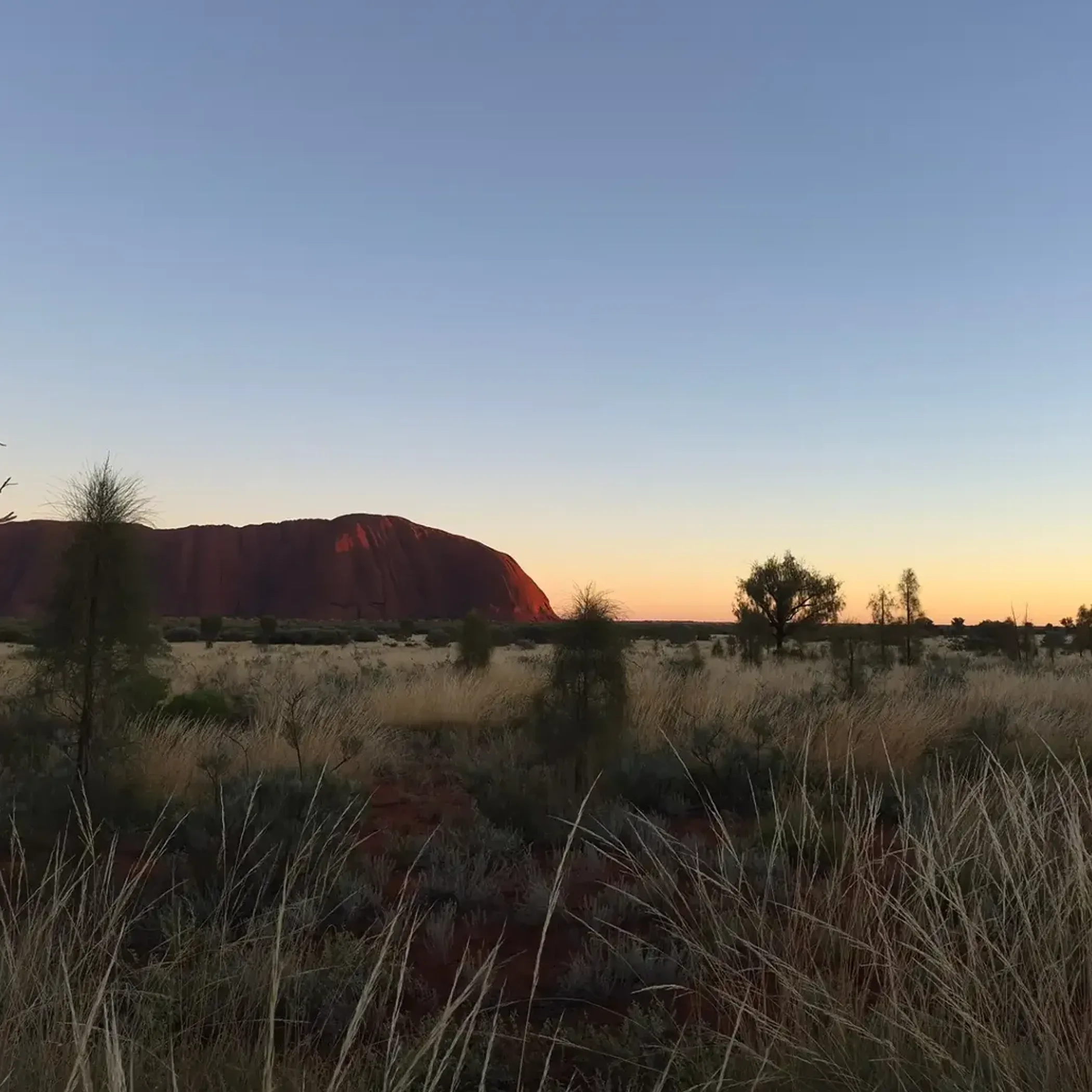
Here is where you make a useful choice. Many a guide will tell you the best time for Uluru is also the best for everything else, but they are not the same. You can have a decent summer sunset, but a Valley of the Winds circuit is a different proposition.
Rowan Fairchild will offer the practical view: see what your legs and lungs and patience can handle and pick the season accordingly.
Uluru and the Culture
Do not let the 10.6 kilometre base walk catch you unawares as to the exposure and time involved. In the cooler months you should put aside 3.5 to 4.5 hours for photos and interpretation areas. When it is warmer, confining yourself to something like the Mala Walk is wiser. It is an accessible and rewarding option for geology and culture without the strain, ideal for families or anyone with a single day and no desire for a long trudge.
At Kata Tjuta
For the Valley of the Winds the cooler months are the only sensible time. Plan on 2 to 4 hours for the route, more so if you are stopping or the heat is on. First-timers tend to be taken aback by how uneven and exposed the ground is. The Piriya-piriya warm wind often influences conditions in August and September, affecting track accessibility and visitor comfort.
There is a difference between what is expected and the reality on the ground. One might be forgiven for mistaking a long walk for something of a casual stroll, but it is not. A reasonably fit traveller will have no trouble with it provided he has an early start, water and sun protection; for those who find steep ground or unstable footing and the heat a trial, it is far from ideal.
| Experience | Best Timing | Who It Suits | Watch Outs |
| Mala Walk | Year-round, best at dawn | Most visitors, beginners, families | Heat later in the day |
| Uluru Base Walk | May–September, early start | Walkers wanting a fuller experience | Exposure, distance, limited shade |
| Valley Of The Winds | May–September, sunrise to mid-morning | Fit walkers | Heat, closures, uneven track |
| Sunset Viewing | All year, clearer in cooler months | Short-stay visitors, non-walkers | Crowds and parking pressure |
| Stargazing | May–September often most comfortable | Night-sky fans | Cold winter nights |
Month By Month Reality
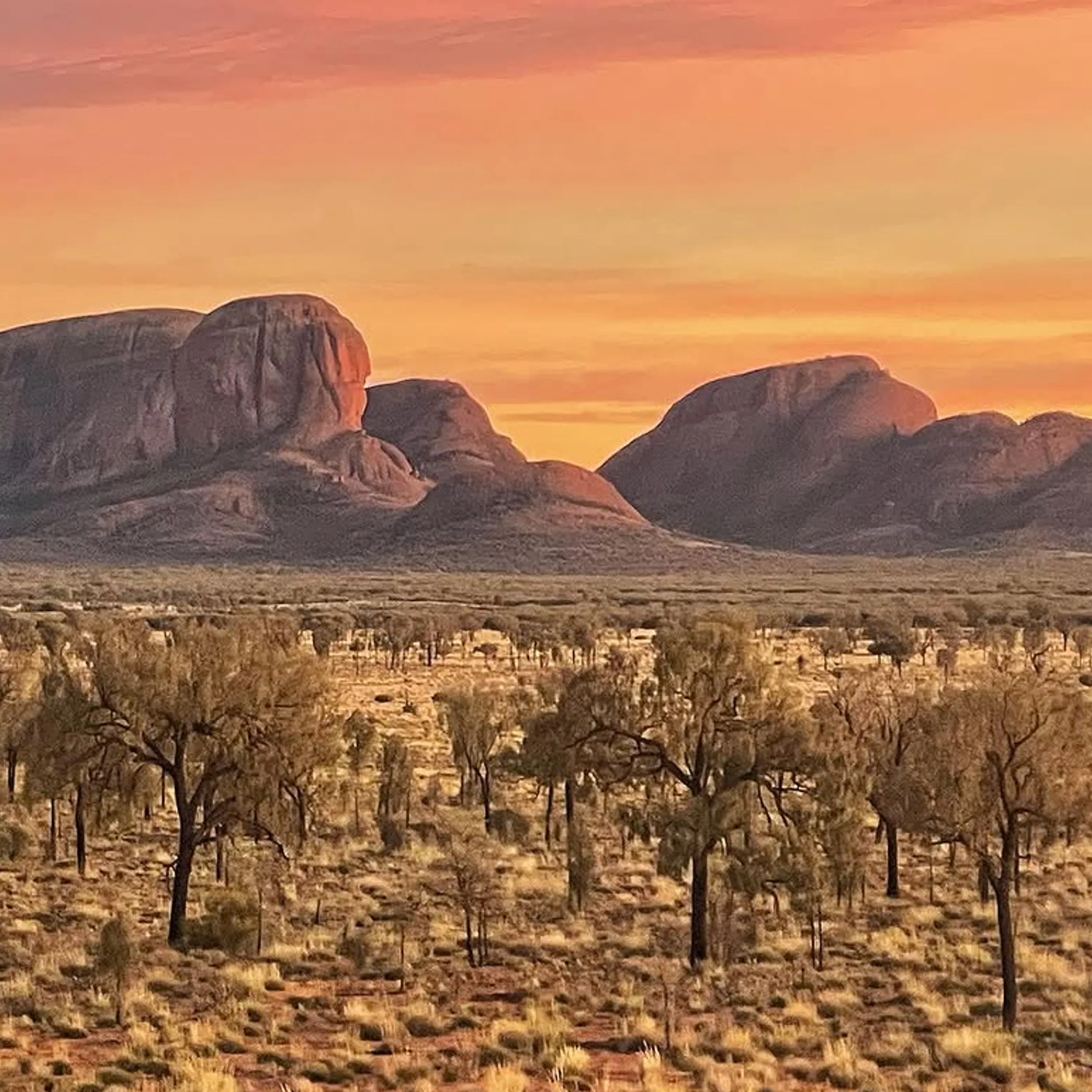
The Uluru weather follows a straightforward pattern when you look at it by the month. Winter is where you will find the most agreeable days to be out and about, high summer is punishing, and the shoulder months are fine so long as one is circumspect. For up to date conditions, heat warnings or to see if there are any closures, the Bureau of Meteorology and Parks Australia are your reference.
Parks Australia will tell you to take your water and adhere to safety in the park; current planning information is put out by them via the Uluru-Kata Tjuta National Park site. It is well worth checking given how fast access and weather can turn.
May To September
For most this is the time to go. You may have to put up with some real cold in the morning, June and July in particular, but the rest of the day is much more accommodating for sightseeing. Stargazing is better in these months too, the night skies are crisp and there is no risk of melting in the dark.
October To April
Long walks are best left alone in the height of an Uluru summer. Be practical: do a sunrise, a short interpretive walk, perhaps the sunset platform and be off any exposed tracks early. Not the season to choose if you want to spend long active days outdoors.
Logistics
You will have little difficulty reaching Uluru and Kata Tjuta, but once in the region the distances tend to catch people out. Ayers Rock Airport is the nearest and the resort is where most put down roots. Then it is a drive to the park, and more road time to Kata Tjuta than is often anticipated.
A self-drive from Alice Springs is very doable on sealed roads but don’t think of it as a morning’s work. Make it a full day of travelling and plan your fuel accordingly; outback miles are not to be equated with the suburbs even on the Stuart or Lasseter Highway. Fatigue is fatigue.
- One Day Only: Make for the Uluru sunrise and a Mala Walk or part of the base walk, then lay low until the worst of the heat has passed before heading to either the Uluru or Kata Tjuta for the sunset.
- Walking First and Foremost: Put Kata Tjuta in first while on the trip, in case of any closure or change in the weather.
- Not Up to Much Walking: Leave Valley of the Winds to others and stick to the lookouts and cultural side of things or a dawn walk of shorter duration.
A Note On Costs
How much you put out depends on the season and when you book. In the cool peak season flights to Ayers Rock and a room at the resort will cost you more. Car hire prices have a way of rising with demand. As for food, it is dearer here than in the big cities, nothing to get worked up about in remote Australia. I have no mind to put numbers to it when prices are in a state of flux. The fact of the matter is that the cooler months make for the best weather, as is common knowledge. You will find that such conditions tend to put more of a strain on accommodation and leave you with less room to manoeuvre.
Some Things Travellers Get Wrong
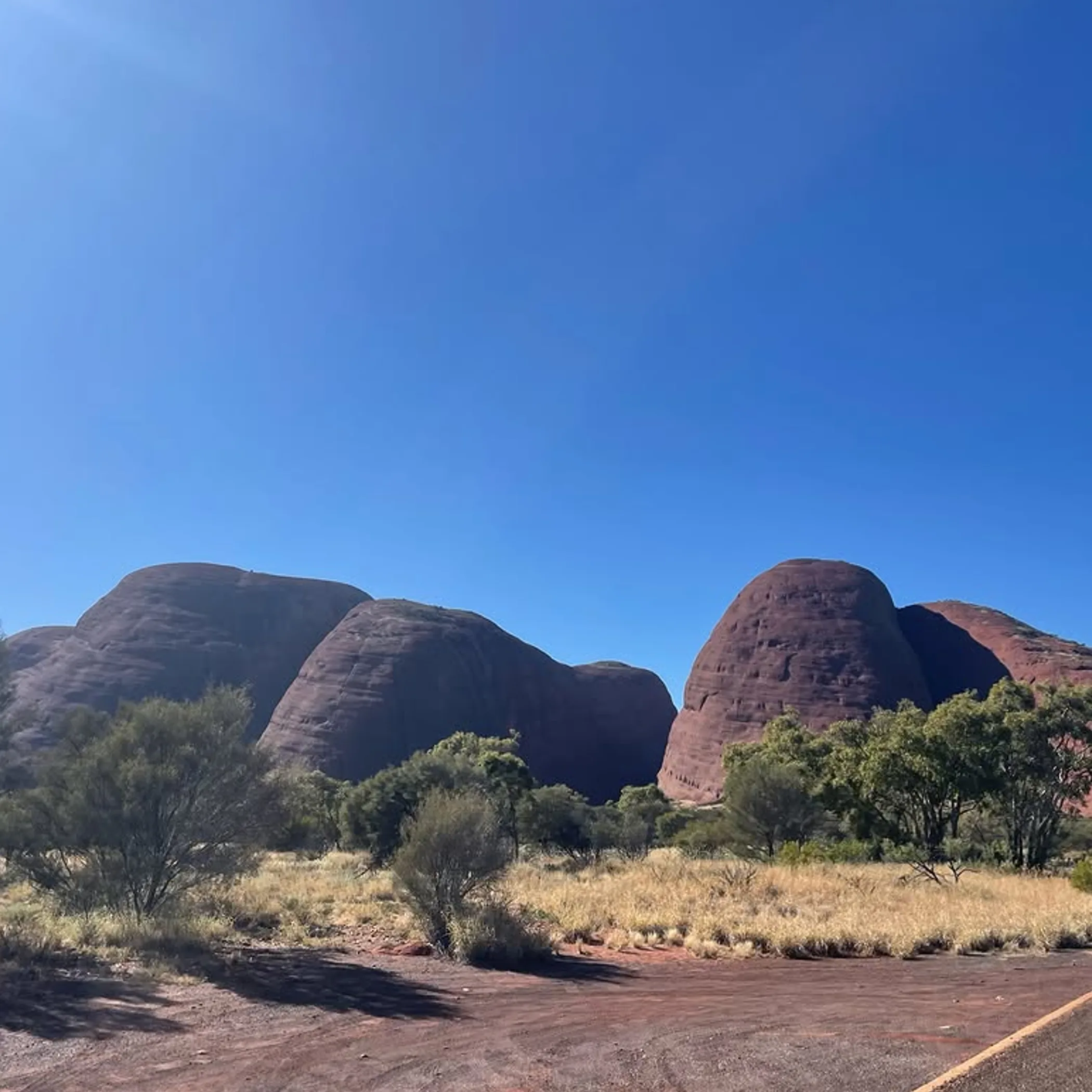
The cardinal error is to think of Uluru and Kata Tjuta as two half-day stops that can be interchanged. They are not the same thing. You can do Uluru in pieces; at Kata Tjuta you need to put in the time and have the energy for it.
Then there is the matter of packing for only one temperature. A winter morning may call for layers but by afternoon the sun has a way of biting. Desert travel has a talent for exposing anyone who has not packed for both ends of the day. Make sure you have more water on hand than seems necessary if you intend to go further than a lookout.
- Get an early start to beat the heat and the crowds, which have a habit of coming at once.
- Should walking at Kata Tjuta be a must, put down a morning in your plans where you can be flexible.
- Carry more water than you think you need, especially for any walk beyond a lookout.
Crowds And Booking
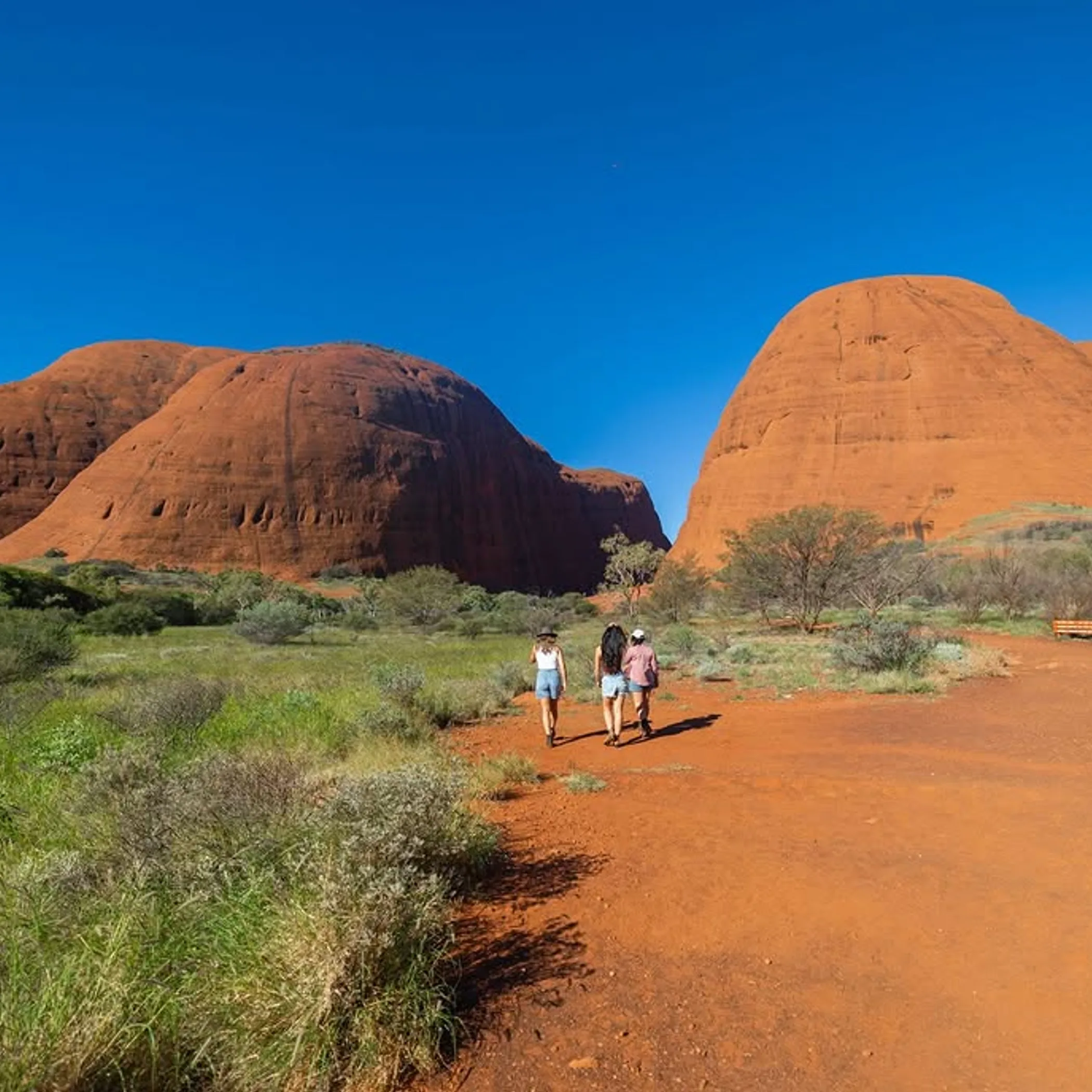
Winter school holidays and the like see the heaviest demand for bookings at Uluru and Kata Tjuta. To secure a hire car at a reasonable rate or the flight times and rooms you would prefer, you should make arrangements well in advance. It is the convergence of families, first-timers and walkers in the cooler months that means they are the first to book up. Leave your transport and lodging to the last minute between May and September only if you have a taste for stress.
FAQ
What month is best for Uluru?
For an all-round good time, May and August are hard to beat. You get solid sunrise viewing and days that are more agreeable than in the heat of summer. Put your money on May for a sure thing.
Sunrise or sunset at Kata Tjuta?
A sunrise will give you softer light and cooler weather for a walk in the Valley of the Winds. Sunset is fine for a scenic stop without much exertion. On balance, for comfort’s sake, the sunrise is the better option.
How much time at Kata Tjuta?
Figure on 2 to 3 hours from the resort for a visit to a lookout. If you are going to do the Valley of the Winds, you are looking at a half day once you have accounted for the drive, parking, rests and so on.
Is there any time to steer clear of Uluru?
Active walking is not advisable in the middle of summer if you do not cope with the heat. From November through March the daytime can be extreme and you may find your options reduced to dawn and dusk.
One day for both?
You can, provided you are not unrealistic about it. A day will see you to an Uluru sunrise and perhaps the Mala Walk before heading over to a Kata Tjuta lookout or sunset. But do not expect to put in some long walks and still have a leisurely visit of both unless you are very efficient.
In the end
May to September is the straightforward answer for the best time at either site. Plan for dawn and the late afternoon. Uluru is the more accommodating of the two, yet it is Kata Tjuta that makes the difference since you cannot do serious walking there without the right conditions.
And I will be blunt about it: if you are to have one season, let it be the cooler one. The Red Centre is something else in any month but it is easier to take in when you are not being slowly poached in your shirt.
