There is a reason the Australia weather by month guide is what most put in their search bar; timing is of the essence here. Given the size of the country and that its seasons are the reverse of North America or Europe, one does well to consult the figures before making plans. “Good weather” in Hobart is not the same proposition as it is in Darwin. Put simply, if you are after a comfortable time in more than one region, the period from March through May or September to November will serve you well. For the tropical north, the dry season between May and October is preferable.
Rowan Fairchild here. I have seen people make the mistake of thinking there is some uniformity to the Australian climate. There isn’t. In the course of a week you may be in Perth under a clear blue sky, then shivering in a coat in Melbourne, and next thing you know you are in the Top End working up a sweat. This guide is intended to give you the straight facts on monthly averages and regional patterns so you can make an informed call when you book your flights or pack, or even to tell you if an Outback road trip is a sensible move or just going to be rough.
A Word to Start With
The rule of thumb for any broad planning is this: head south for the summer beaches, the Red Centre and the tropical north are for winter, and for an itinerary with a bit of everything the shoulder months are best. For more climate timing details, that is what I would tell a friend to save him the hour he would otherwise spend poring over a weather app that only gives part of the picture.
Do not let temperature be the sole consideration. You have to factor in the humidity, the rain, cyclones, bushfire closures, driving distances and the odd marine stinger up north. They count for as much as the forecast figure.
What is in this guide
We have put together the monthly climate for Australia, the regional variations and some packing tips that are of use. You will find where the averages are of help and where they might mislead, and how an El Niño or La Niña could put a spanner in your works.
For the majority of trips
Say you want to do Sydney and Melbourne, put in some long drives and perhaps Cairns and the Red Centre all in one go. Make it the shoulder season. April, March, October or November are as easy as it gets for a multi-stop trip. You will get milder weather in the southern cities, less of a chance of the extreme Outback heat and you can sidestep the worst of the wet in the north. Not without their flaws but they are the least demanding of months.
Making a priority of each region
From May to October the dry season makes the tropical north, be it Darwin or the inland routes of Far North Queensland, the most agreeable. If you are in the temperate cities like Canberra, Adelaide, Hobart or Melbourne and fancy a food weekend or a drive, autumn and spring are the times to be there.
As for the Great Barrier Reef, June to October is the popular choice for conditions that are steady and lower on the humidity, even if the water is on the cool side. To see the wildflowers in Western Australia you want to be there in late winter or spring.
Climate zones and the calendar
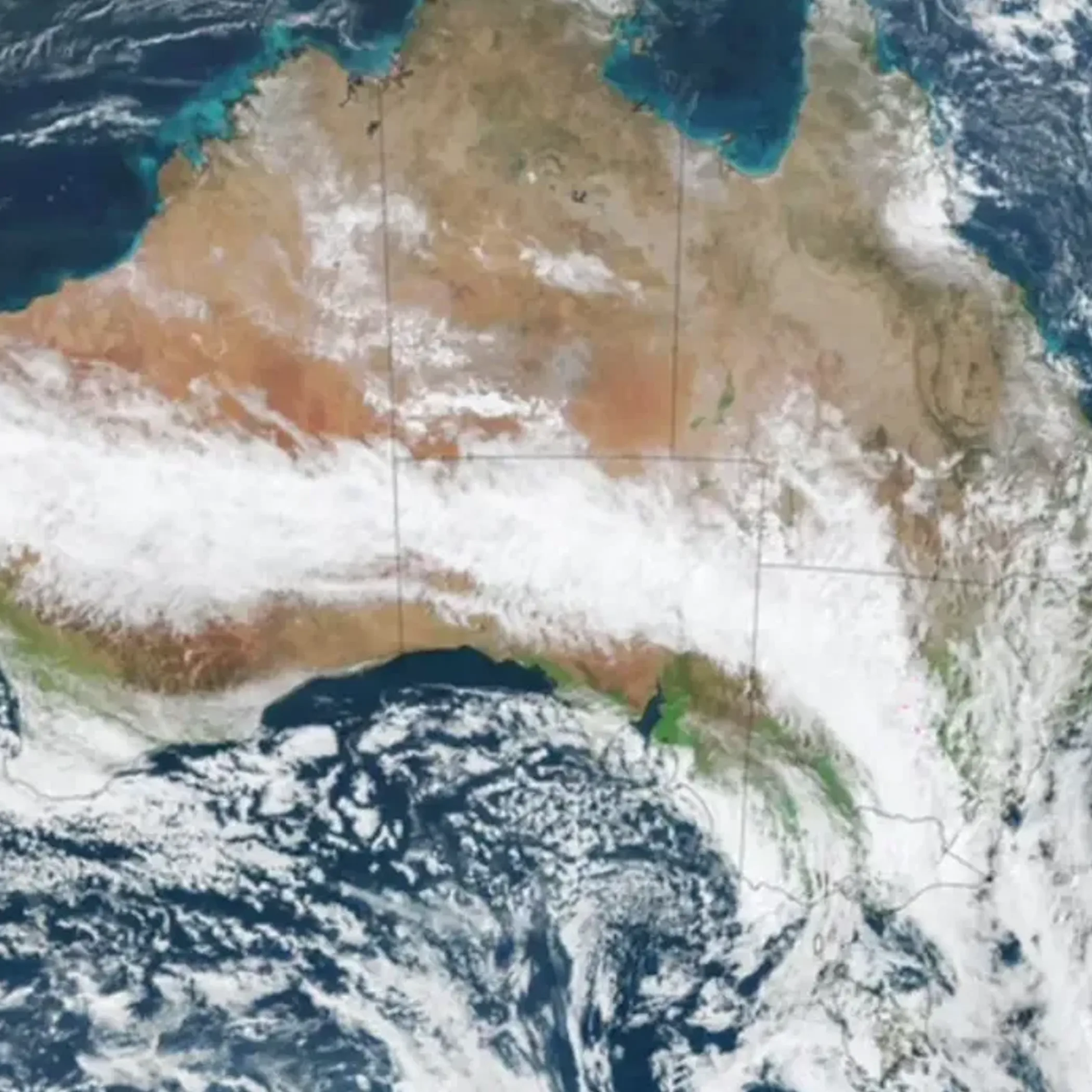
On paper the seasons in Australia are straightforward enough: December to February is summer, then autumn until May, winter until August and spring to November. But the climate zones have a way of making short work of such a tidy calendar. Between the arid interior and the alpine areas, the Mediterranean south-west and the tropical north, a given month will be unremarkable in one place and splendid in another.
Tropical North
Darwin, Cape York, the Top End and bits of northern WA and Queensland are not divided into four proper seasons but by the wet and the dry. From November to April the wet season brings its share of monsoon, flooding and cyclones along with the rain and humidity. Then there is the build-up to the monsoon. Locals take it in their stride, a traveller might not. At 33°C it is far more of an ordeal than a hot day in the dry interior, the air is hard to come by.
Southern Temperate Belt
You will find a more familiar seasonal rhythm in Sydney, Melbourne, Adelaide, Hobart and Canberra, quirks aside. A southerly can put a bite on the day in Melbourne before you have even had lunch, after what was warm and sunny. In Sydney winter is milder than a first-timer might think, but do not be surprised to find Hobart or Canberra cold by any Australian reckoning.
Outback And Interior
Here one finds the extremes of weather. An afternoon of sightseeing in summer may well become an exercise in endurance, and there are winter mornings that are cold enough to take you aback until the day has warmed. For those putting in the miles on the Stuart Highway or through the Red Centre, seasonality is no mere formality; it has a bearing on the condition of your tyres, road safety and fatigue, and on whether you make the most of the journey or just get through it.
South-West Corner
The climate in Perth is more Mediterranean in its ways than anything on the east coast. You will have hot, dry summers and wetter, cooler winters. Head anywhere in WA in spring for wildflowers and a good road trip if the month is right.
Seasonal Snapshot

To put things in perspective before we go into the detail of each month, one should know how the seasons present themselves on the ground, not as they appear in a chart, to put Australia’s average monthly temperature in context.
Summer: December To February
There are long days at the southern beaches, heat inland and the wet season in the tropical north. With school holidays in full swing, prices in the major coastal haunts and national parks tend to go up and bookings are made early.
Then there is the matter of expectation and reality. The easy sunshine people put in their heads is not always what you get. Southern beaches are fine, but so too are heatwaves, bushfire danger and stormy humidity in the north, to say nothing of congested roads.
Autumn: March To May
A very forgiving time to be travelling. The sea is still decent in parts of the south and the shoulder season lends itself to a more agreeable city break or regional drive as the inland heat lets up. On some of my longer drives in Victoria come autumn I have found the pleasure in not being wrung out by the time you arrive. At 2 pm one can put in an outside lunch and a walk without feeling like a roast chook.
Winter: June To August
Good for the Red Centre and the tropical north, or for whale watching in some coastal areas. The southern cities are apt to be grey and damp, if not chilly, though you will still see your share of bright days in Perth or Sydney.
Make it a winter day in Darwin or Kakadu and it is more likely to co-operate. The lower humidity and better access to tracks means you are not left to contend with flood closures on your holiday.
Spring: September To November
An all-rounder of sorts. The wildflowers in WA put on a display, southern cities pick up the warmth and there is a liveliness to many a region without the peak summer chaos. Not foolproof everywhere however; late spring sees the interior get hot and the far north build up in humidity.
Month-By-Month Quick Table
What follows is a table of broad patterns for a national overview; an average does not define a continent. The indicative Celsius ranges are from the Bureau of Meteorology and such reference tools as Weatherspark, but conditions will differ with elevation and region.
City And Region Notes

You will need regional averages to make the most of this guide. Put together a national summary and you have only gone half way given how much temperature and rainfall in Australia can differ from one month to the next.
What follows are some observations on six cities that tend to be compared by travellers: Sydney, Melbourne, Brisbane, Perth, Darwin and Cairns.
Sydney
By any measure Sydney’s weather is milder than what you will find in the southern inland capitals. Spring is perhaps the easiest time to be there, autumn is particularly so, winter is cool not harsh, and summer is warm to hot with some humidity.
For your harbour walks and beach time, March to May or September to November are ideal. Do not let the sun catch you off guard though. Even at 24°C with a breeze you can be burnt silly.
Melbourne
One has to pack with some flexibility and a sense of humour in Melbourne. Autumn is usually the most settled, spring lovely but fickle, winter is damp and cool, and you may have a spell of brutal heat in summer.
I would say the error visitors make is to dress according to a screenshot of the forecast. You want to be prepared for the day ahead with layers and a light waterproof, and shoes that do not mind a slick footpath.
Brisbane
It is warmer here throughout the year. There is a long shoulder season, mild winters and summers that are sticky. For sightseeing in comfort winter is often the answer, or spring before the worst of the heat and humidity set in.
Perth
Simpler and cleaner climate than the east coast for the most part. You have your hot dry summers and wetter winters, and the shoulder seasons are fine. Then there is spring, which is very convenient for nice weather and getting out of the city for the wildflower season.
Any distance into regional WA should not be underestimated. On the map it is flat as a pancake, but you will not find the same when you are behind the wheel for the day.
Darwin
There is the wet and the dry. Day trips to the parks and wildlife cruises are drier and sunnier from May through October. Between November and April you are looking at intense downpours, cyclones and humidity.
If you do not like having your schedule altered or you melt in the humidity then the peak wet is not for you; it will put your plans in order without so much as an apology. The landscapes and storms are dramatic enough, provided you know what you are in for.
Cairns
Tropical warmth and seasonal changes in the rain and humidity define the weather in Cairns and the Great Barrier Reef. The dry months are more to the taste of most. But in the wetter ones you can still make it work so long as you put up with the odd burst of rain and heat and exercise some croc-wise caution around waterways.
Practical Planning That Actually Helps
Many a guide will leave this out. Averages are fine but for logistics and an idea of what the weather is really like, and costs, one needs more.
Packing By Time Of Year
When you cross state lines you should pack for contrast. The Celsius figures for Australia look benign on a screen but a 12°C in Hobart with the wind is not the same as 12°C still and inland.
- Summer: swimmers, a refillable bottle, reef-safe protection and a hat, and something light for the air-con.
- Autumn/Spring: a daypack, walking shoes, a light jumper and shell, sun protection.
- Winter: closed shoes, a beanie for the alpine or inland in the morning, and in the southern cities a rain jacket and a warm layer.
- Tropical North: insect repellent for the mozzies and something breathable all year. From November to April add some waterproofing for the wet season.
Transport, Timing, And Costs
Getting between the major capitals by air is no problem, although in the north in the wet season or during summer storms you are more apt to be delayed. Car hire is the way to go for the regions but be aware of the variance in price. In a quiet month it is budget friendly, in the holiday peaks not so. One-way hires in remote areas are likely to cost you the most. Access and parking in the capital cities are a costly and irksome proposition at times, regional areas put up with less of that. As for national parks, each state and territory has its own rules. When you make for the NT, it is advisable to put in a call on current conditions and any closures or passes required; the Bureau Of Meteorology will have the official word on forecasts, radar, climate data and warnings.
Safety And Common Misperceptions
One would be hard pressed to find dramatic wildlife as the “silent killer” on an Australian trip. More often it is the heat, being dehydrated, surf or floodwater, or pushing on behind the wheel when one should not. There are stingers, crocs, cyclones and bushfire smoke in certain parts of the country but overconfidence is what does most of the harm.
A case in point: do not put stock in your phone reception out on a remote drive, take more water than seems necessary and let someone know where you are going. In the wet season up north, a road covered in floodwater is no mere oddity, it can put an end to your route altogether.
- If you are short on time and have but a day: pick a climate zone and stick with it, there is no point in attempting a city run and some distant regional excursion in the same outing.
- For the best of it in winter: head for the Red Centre or tropical north; in spring or autumn a southern coastal or city itinerary is to be preferred.
- This is suited to: the road tripper or traveller with multi-region plans who wants to align activities with the weather.
- Those with young children in the height of the heat, the uninitiated at driving in remote country or anyone who chafes at the northern monsoon humidity: should exercise some caution.
Data, Averages, And Limits
We have drawn on long-run monthly figures from the BOM and their established seasonal patterns for this guide, along with such planning sources as Australia.com, Weatherspark, Intrepid Travel, Visit Melbourne, Audley, Firstlight and AdventureSmith. While those non-government sites are useful for context, when it comes to Australia’s average temperature by month, rainfall and the like the BOM is the authority.
Then again, an average is just an average and will not tell you what a given week holds. The east coast and tropical north are particularly susceptible to El Niño La Niña cycles altering the heat, cloud cover and humidity, as are fire season conditions. Old temperature maps and social media conjecture are no substitute for the latest forecast if you are in a high-risk period.
Frequently Asked Questions

The sort of questions that come up when theory has to be made into a booking.
Typical Temperatures By Month?
You will not find a meaningful national figure for an expanse like Australia with its various zones. In summer the cooler south coast may see 25°C or so whereas inland it is well in excess of 35°C. Winter mornings in the southern cities and inland can be single digits, with the tropical north in the mid-20s in the daytime.
Will Australia be hot in 2026?
A static guide cannot vouch for the whole season ahead; local forecasts and climate drivers will determine the outcome. The prudent thing to assume for now is that the summer will have its share of heatwaves, humid wet-season in the north and bushfire danger in the south, so have a look at the BOM outlooks before you commit.
Best Weather?
Most will find March through May and September to November offer a good measure of comfort and balanced rainfall in a number of regions. For the tropical north the window is easier from May to October.
When Does The Wet Season Hit The North?
From November to April in Northern Australia. You can count on the humidity and heavy rain, storm activity and the odd cyclone in some places, not to mention monsoon bursts.
What Is The Silent Killer?
Forget the creatures everyone makes a fuss of, the quiet dangers are flash flooding, the heat, surf and driver fatigue. It is better to be realistic about how far you can go and sun-smart than to be preoccupied with a spider in the dunny.
In The End
Make of our Australia weather by month guide what you will but the key is to plan for the region first and the month after. Only then do the figures for temperature, rainfall and climate in Australia have any bearing on what you intend to do once you arrive.
I have a straightforward way of looking at it. The all-rounders are autumn and spring, no question. Then there is the tropical north and interior where winter is fine, while one should be more deliberate in summer than leave it to blind optimism. Follow that precept and the forecast will not hold you up as much; you can put in some time on the track or the coast with a good cup of tea in some windblown spot with a hint of salt about it.
