There is a straightforward fact to get your head around as a beginner on the Great Barrier Reef: provided you have a good operator and the right equipment and do not exceed your limits, the reef is perfectly safe. And if you heed the crew, most of the trouble that one might have is pre-empted. The kind of things that are no more than an annoyance on land can become an issue in short order once you are on the water: a poorly fitting snorkel, the sun, dehydration, a current, or a failure to take the boat briefing to heart.
My name is Rowan Fairchild. This is the unvarnished advice I would proffer to a friend with a thermos of Earl Grey in hand were he making plans for a day on the reef from Cairns or Port Douglas; not the sort of thing you find in a brochure. It is to help you make it home with some recollections of the reef and not a case of seasickness that has you rethinking your life choices, or a lost fin and a bad sunburn.
An Early Lesson In Safety
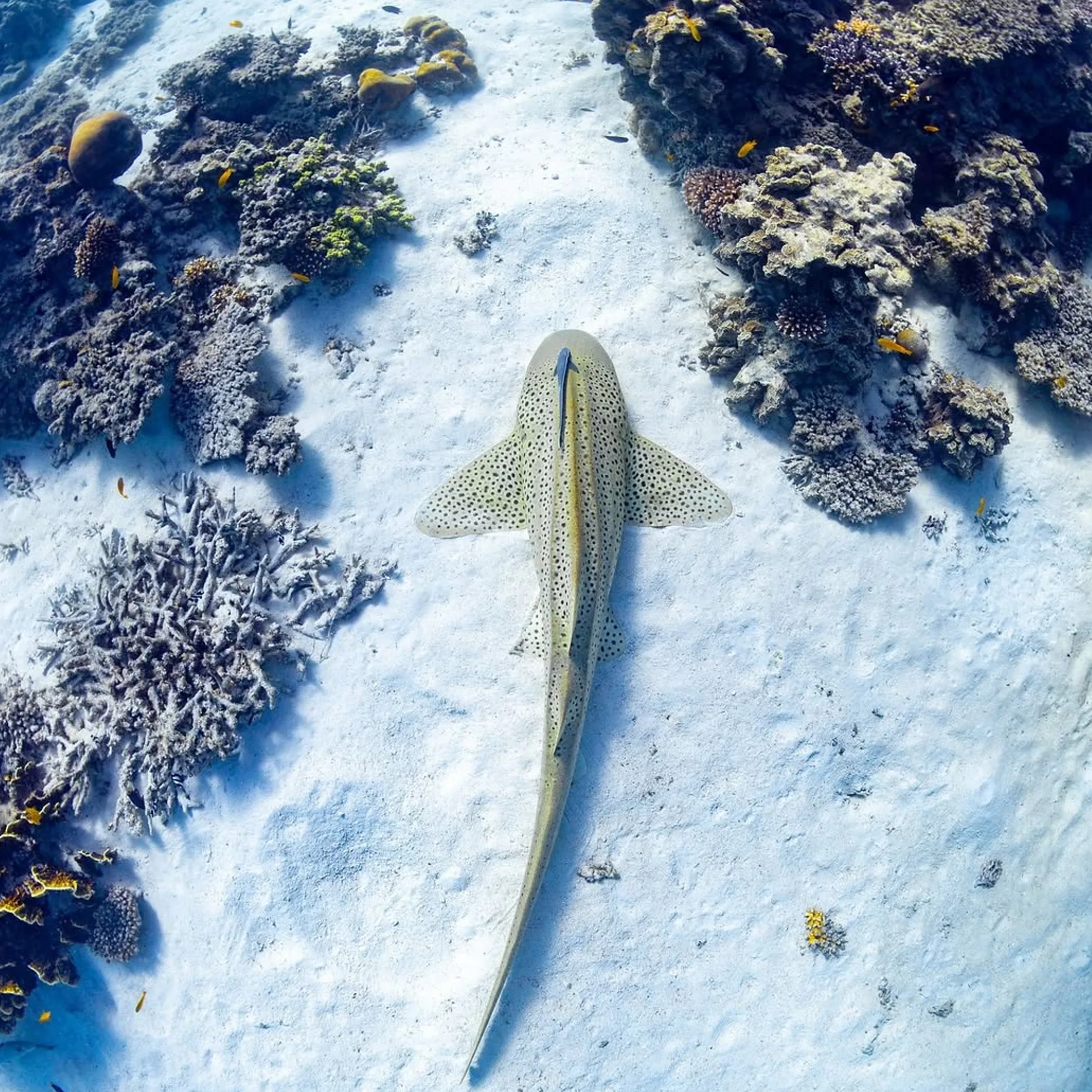
Beginners will at times be so taken with the beauty of the Great Barrier Reef they lose sight of the fact that it is an offshore marine environment. But tides, current, the elements and a tropical sun are indifferent to your holiday playlist. Then again, there are plenty of trips for the nervous first-timer to be had from Cairns and Port Douglas. My rule of thumb is to approach the reef as you would bushwalking on water: be prepared, don’t act the fool and make something of the safety chat.
Do Some Planning
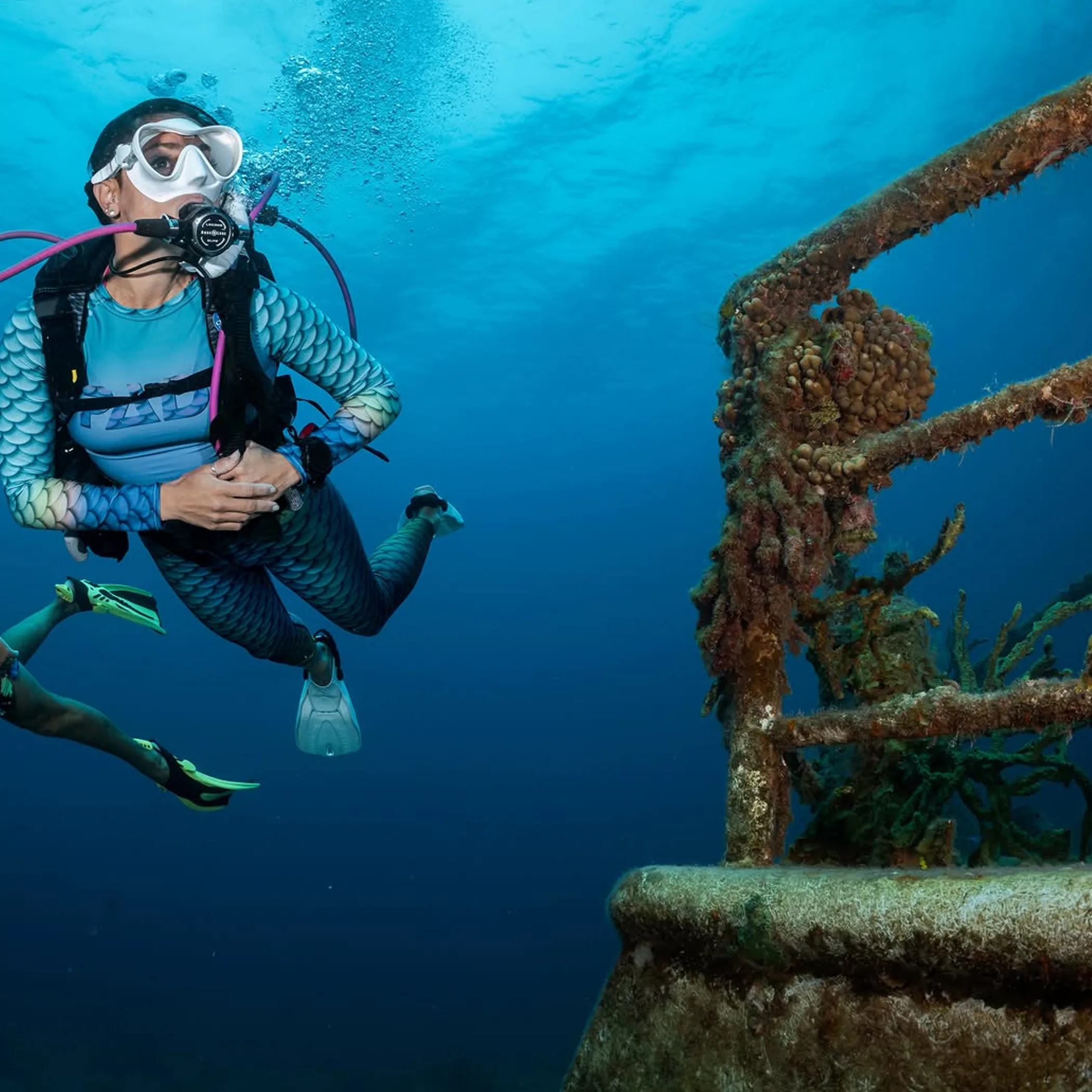
You will find that much of the risk and discomfort can be nipped in the bud with some forethought the night before, rather than when you are in the water. That is where a safe trip is made or broken. Sort out your beginner reef trip essentials and have a look at the weather and the quality of the operator and your own swimming ability. A little admin now is worth it to avoid a trying day later.
Where To Depart From
Cairns and Port Douglas are the usual haunts for beginners. The former tends to have the most full-day snorkel and introductory dive options to choose from. The latter is fine for those based up north and the transfer is generally less of an ordeal. With only a day to spare, a licensed operator will put you on the outer reef for better water and supervision; don’t try and cobble together an experience from the shore.
On Picking An Operator
When it comes to snorkelling the Great Barrier Reef, the operator is as important as the weather. You want to see a company that is transparent in its medical questionnaires for divers, has marked off swim areas and puts flotation aids and crew where they should be. There are the likes of Great Barrier Reef Tours, Cairns Discovery and Cairns Dive Adventures to be found in Far North Queensland, but a name is not enough to book on. See if they are candid about conditions and offer stinger suits in season.
The Cost Of It
Value is not always to be found in the cheapest option if it means skimping on safety. Expect to put down a couple of hundred AUD per person for a day out from Cairns or Port Douglas, with more for an intro to scuba or any photos you may want. Add in parking if you are driving in from the city and factor in the time. And if you are on a transfer, make sure of the pickup the day before, reef boats are not in the habit of waiting.
Packing
For the list, have some dry clothes and your swimwear, a towel, hat and sunglasses. Bring a bottle of water and some UPF clothing or a rash vest. Sunscreen with zinc oxide or titanium dioxide is de rigeur. If you are of a mind to get motion sick, have your medication on hand and take it as you should before you set off. Any regulars like an inhaler, photo ID as the operator may ask, and a snack or two if they let you (though food is usually part of the deal).
And when you are on the boat, pay attention to the briefing. The crew will let you in on the sea state for the day, point out the safe place to swim and how to reboard, report any marine life they have put eyes on and what to do should trouble arise.
One thing that can catch people off guard is the variance in reef conditions from one site to the next. There is no assurance of flat water offshore simply because it has been a quiet morning at the marina; a briefing that takes the tides and current into account will serve you better than something you put in your reading three weeks back.
What To Listen For
Make a note of where you are to make your entry and exit, any instructions on life jackets or snorkel flotation, the use of whistles and hand signals and if there is a division between divers and snorkellers. Should the crew talk up a stronger drift or a tighter boundary rope, or note visibility is down, they are not being theatrical: it is a day to stay close and not go off on your own.
You will also be given the lowdown on stinger season and jellyfish safety. In the warmer months, operators in tropical North Queensland will be insistent that Great Barrier Reef visitors don a stinger suit rather than put on airs and try to tough it out.
Snorkel With Less Panic
First-timers generally find snorkelling the most straightforward way to see the reef but it is to be treated with some respect. The nerves of a beginner are seldom over sharks or any of the more dramatic perils of the Great Barrier Reef, more to do with the open water, feeling out of your depth for a moment and the business of breathing through a tube.
Rowan Fairchild has some good, unglamorous advice for staying safe on the reef: be patient with it, don’t put your face in the water until you are of a mind to, and take the flotation. It is a foolish thing to have a miserable swim just to put on a show for strangers.
Start Conservatively
Let the crew know if you are a bit rusty before you get in the water. Operators will often put you in a supervised area or with a pool noodle or vest, making matters simpler than if you were to set about proving you are as confident as you are not. And always have a buddy. A strong swimmer is still susceptible to a wobble when he finds he cannot stand, or a fin cramp, a mask leak or an unwanted mouthful of salt.
What Most People Get Wrong
They wear a mask with no seal, kick too hard and their breathing is too quick. That can amount to panic but in truth it is only tension and bad form.
Do yourself a favour and float quietly by the boat for a minute before you put any distance between you and it. Get your gear in order, put your face in and take your time with the snorkel. You will be glad of it rather than finding 20 metres out your fin strap has come loose and the mask is running like an old garden hose.
Who Should Think Twice
Not everyone is suited to a day of snorkelling. Be upfront with the operator if you have a heart or lung problem, are under the weather or badly hungover, or find open water makes you anxious. Anyone who cannot keep his composure in the water or follow what he is told, or has a medical condition the crew deems requires clearance, is not going snorkeling.
Try Scuba The Smart Way
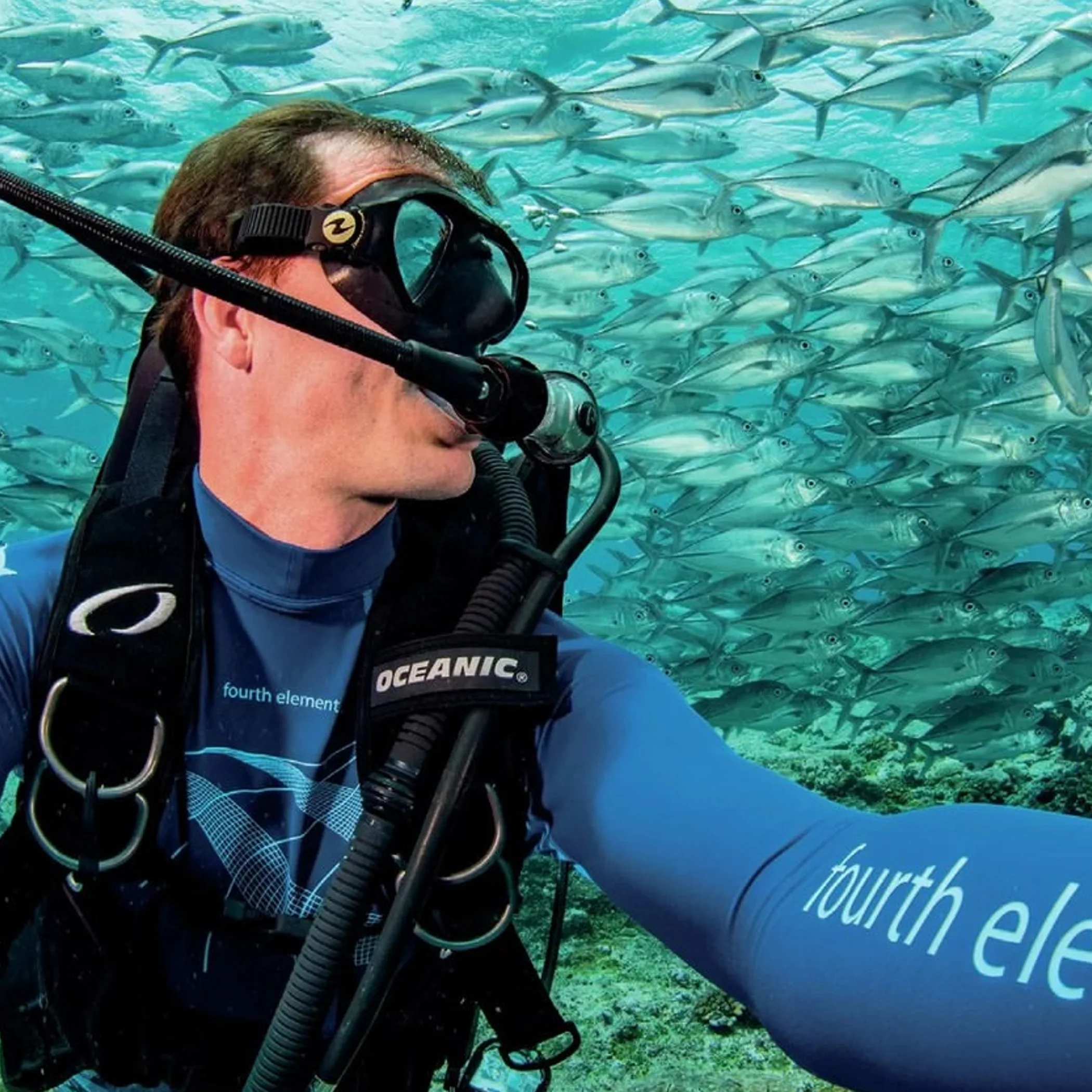
An introduction to scuba is fine for a novice but need not be part of the day. If you are more inquisitive than sure of yourself, go with an operator whose reputation for small group oversight and first-time scuba instruction is well established and who has a proper medical screening.
Safety on a Great Barrier Reef dive is a matter of training and being honest. The fish can do without you for an afternoon if you feel panicky or the briefing is not computing, so say so.
Check The Basics First
A responsible operator will want to know about any asthma, medication, heart trouble or past diving issues. If a company is in too much of a hurry with the novices or is casual over the medical forms, consider it a red flag and stick to snorkelling.
For those new to it, equalising, regulator and hand signal use, rules of ascent and what to do if you are uneasy should all be part of the briefing. If you can not recite the key signals then you are not ready to make the descent.
Expectation Vs Reality
You imagine slipping beneath the surface in the manner of a documentary host and gliding after a turtle. What you are likely to have in your first few minutes is something more technical, noisy and clumsy. Nothing to worry about.
A boat day has a way of wearing you down that is not on the beginner’s radar. Add in the sun, the salt, some nerves and the motion of the water and an introductory dive of short duration will have you for dead. Make sure to put something decent in your tank and hydrate.
The Hazards
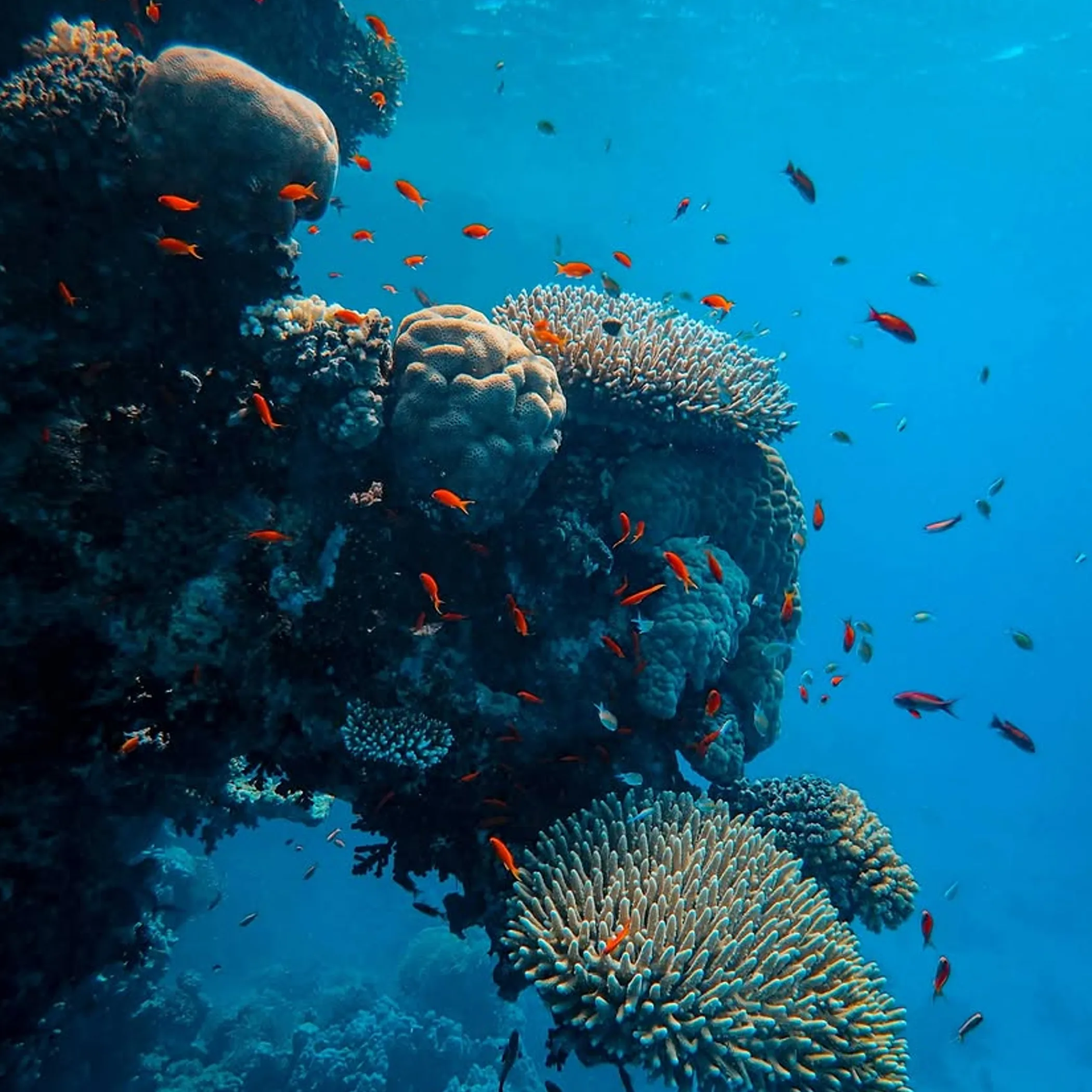
Do not be taken in by the sort of dramatic perils one is prone to fixate on online; those are not what makes the Great Barrier Reef dangerous in any practical sense. The risks are the mundane ones: poor judgement, fatigue, currents, cuts, seasickness, dehydration and sunburn.
You would not want to be dismissive of wildlife or whatever hazards the season brings, but keep things in perspective and hearken to the advice of the locals for the day.
Stingers, Sun, Sea State
In the tropical waters of Queensland stinger season is something to factor in. For their Great Barrier Reef excursions operators will put you in a full stinger suit or rash vest of their own recommendation to mitigate the jellyfish and the sun.
Then there is the matter of the sun which is relentless on the reef. The UV bounces off the water and can catch you unawares even if it is cloudy. Put on some UPF clothing when ashore and reapply your reef-safe sunscreen before you are pink and regretting it.
Wildlife
There are sharks on the reef as there ought to be, yet with supervised tourism you are more likely to run into problems from panic or sun stress than from them. Show the marine life the respect of distance and do not go chasing after turtles. Hands to yourself where coral and clownfish are concerned. A no touch policy is as much for your benefit as the coral’s; it spares you the cuts and stings and the kind of avoidable trouble that ends up in paperwork and spoils the day.
Risk Snapshot
| Issue | What a novice might underplay | The remedy |
| Sun exposure | Even under cloud the UV on the water will burn in a hurry | Hat, shade, reef-safe sunscreen and UPF |
| Seasickness | Offshore is not as calm as the coast | Have your medication before you set off |
| Currents and tides | You may find the swim back more of an effort | Buddy system, marked areas, flotation if needed |
| Gear | A fin that does not fit or a mask with a leak is stressful | See to it beside the boat first |
| Jellyfish | Comfort is no excuse to forgo protective clothing | In stinger season wear the suit they give you |
To get an idea of scale the Great Barrier Reef Marine Park Authority puts the reef at 344,400 square kilometres or so; it is no resort pool with a couple of fish in it. One should read the Authority’s guidance prior to making the trip, particularly on the subject of safety and coral protection.
Reef Care
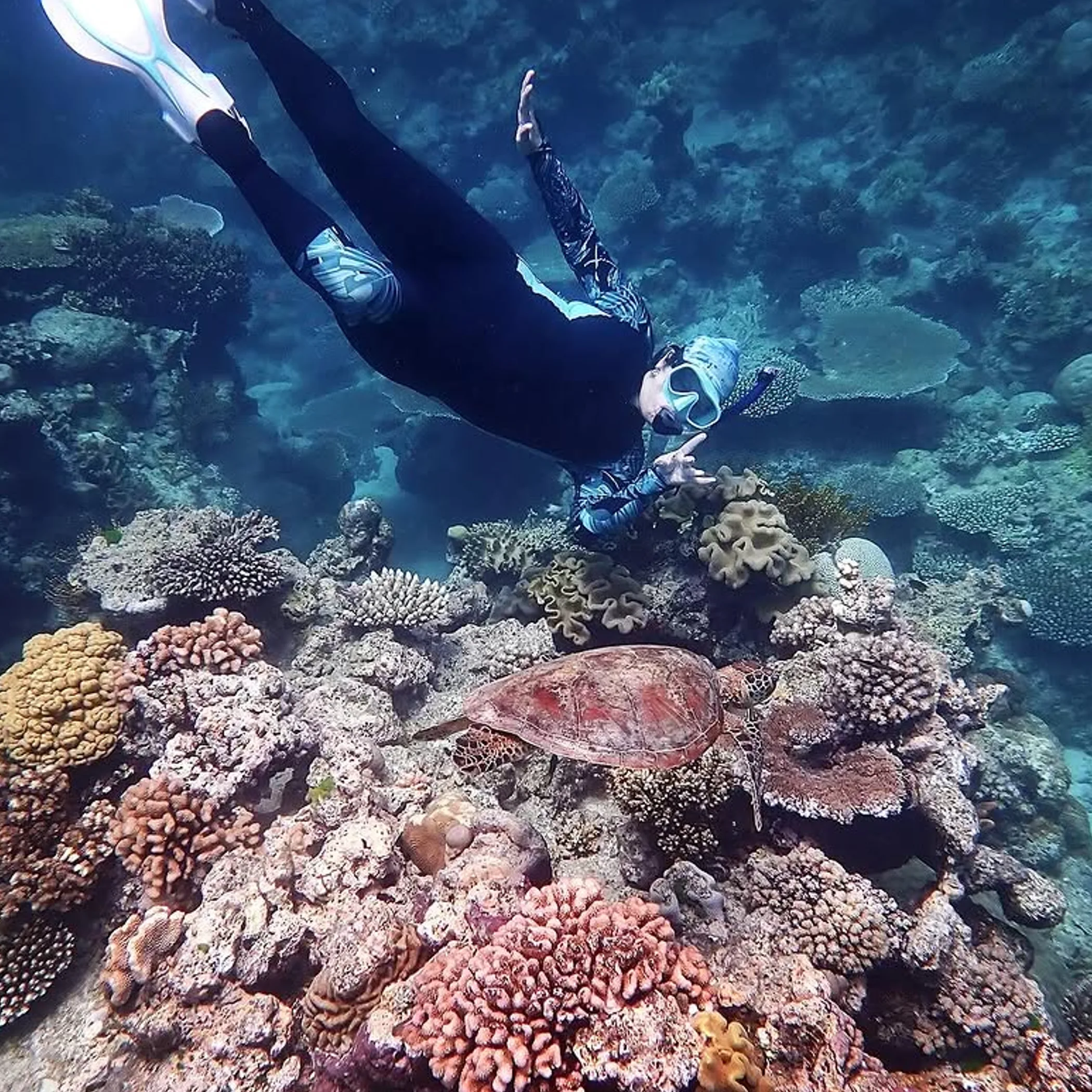
Damaged coral and visitors without a care make the reef a worse place for all, so good safety and reef care are one and the same. It is not some side quest to look after the coral, it is how you stay safe and avoid being a nuisance.
For the ten easy ways to protect the Great Barrier Reef the answer is straightforward: heed the crew on where you are not to go, keep animals at arm’s length, do not feed them or stand on bommies, secure your gear, take your rubbish with you and pick an operator with responsibility. And do not lay hands on the coral.
Rules
Queensland Parks and the GBRMPA have rules for cause. An operator will be aware of the local limits be it moorings or activity zones in some of the more restricted sites. If you are in a private vessel and not on a commercial tour then you anchor in sand not on coral, though most beginners are well advised to let an experienced skipper handle the boat work.
And leave the shells and bits of coral alone on the premise they “looked abandoned”. The reef is not a place to shop for souvenirs and the marine park will penalise you for the wrong kind of interference.
Gear
On a day trip to the Great Barrier Reef it is comfort and stamina that count, not fashion. The right kit will see you in the water longer and put an end to small irritations. I would say a rash vest and sensible sun gear are of more value than is generally thought. There is no point in looking sleek for ten minutes only to be shivering and roasted for the rest of the afternoon.
Clothing That Suits You
A stinger suit or rash vest over your swimwear is the way to go for a beginner, with some UPF clothing for when you are on deck. And after a few hours of salt and wind one will be grateful for a dry shirt, a good pair of sunglasses and a hat with a wide brim to see you home.
Then there is the matter of sunscreen. Reef-safe products, in particular those of the zinc oxide or titanium dioxide variety, are important. Do not let the label do your thinking for you under the pretence of being reef-safe; marketing is liberal with the term so have a look at the ingredients.
Quick Planning Table
| Traveller Type | Best Option | Not Ideal | Rationale |
| First-time snorkeller | A guided outer reef excursion from Cairns for the day | An open-water DIY | The safety process is plain to see and you have help with gear and supervision |
| Nervous swimmer | An operator offering close crew support and a snorkel flotation | Drifting in choppy water for long periods | You want confidence, not bravado |
| Curious first-time diver | An introductory dive put on by a safe operator | A budget affair with a briefing done in a hurry | Medical screening and the calibre of training count for a lot |
| Family of mixed ability | A large pontoon that is easy on beginners or a supervised site | An itinerary that is hard on the body | Better boundaries, shade and a place to rest |
Making the Most of Local Timing
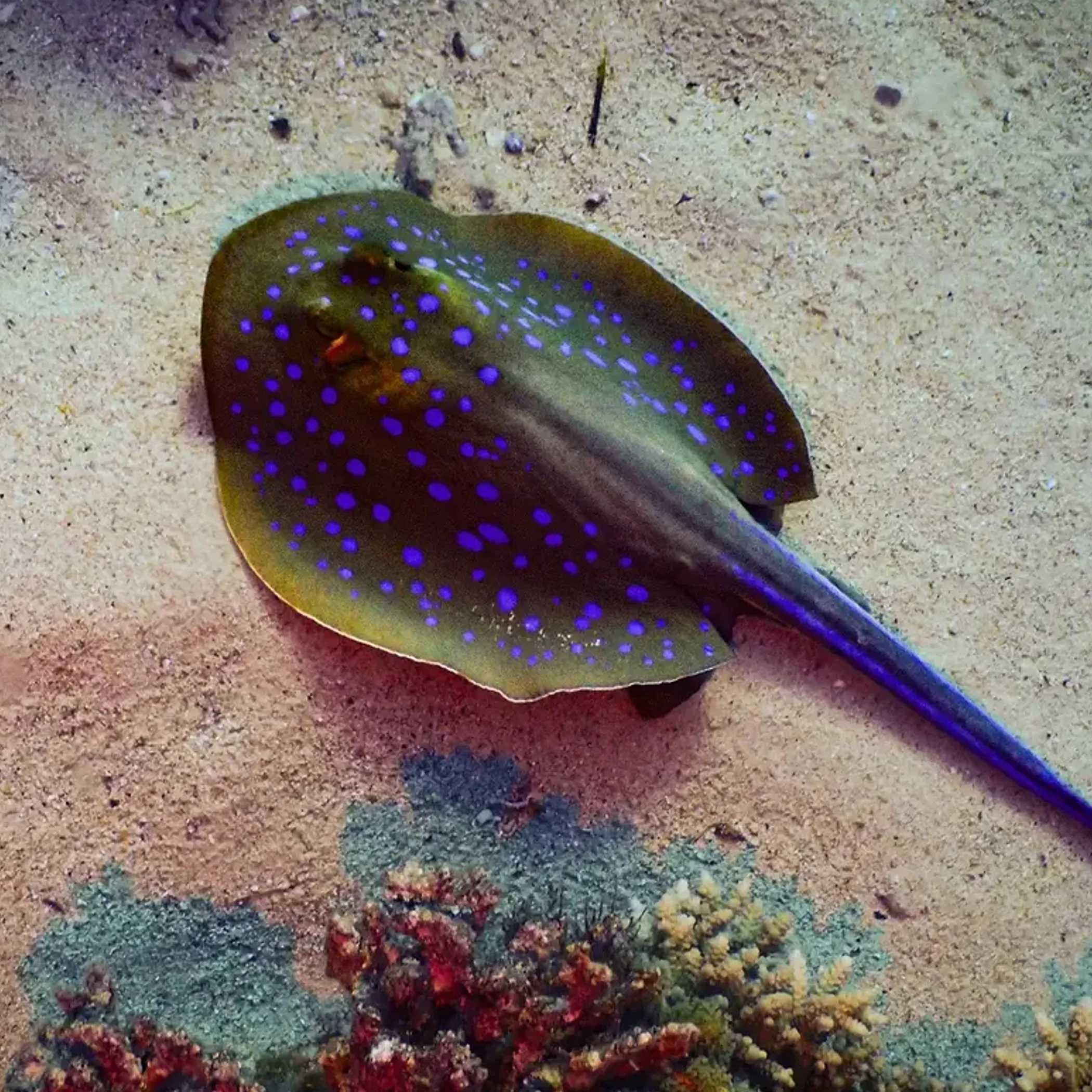
Seasonality has more of an effect on the day than a traveller might think. In Far North Queensland the wet season can mean rough seas, rain and humidity as well as heat. The dry is generally easier on one’s stamina and affords better visibility and comfort.
But do not expect any month to be perfect for aquarium-like visibility and still water. The wind may pick up or the weather change, making some days more suited to a novice than others. Put aside the average seasonal figures from Queensland Tourism (queensland.com) and get the operator to tell you what conditions are like now.
When There Is Only a Day to Spare
An early start is part and parcel of a quality outer reef trip from Port Douglas or Cairns, so accept it. Beginners who try to fit in sightseeing either side of it are left under-hydrated and in a rush.
The priority should be a guided snorkel at a marked site where the water is easily accessed and the crew is on hand. As for unsupervised offshore swims or a dive add-on you are cajoled into against your better judgement, those are not for the uninitiated.
A Word on Mindset
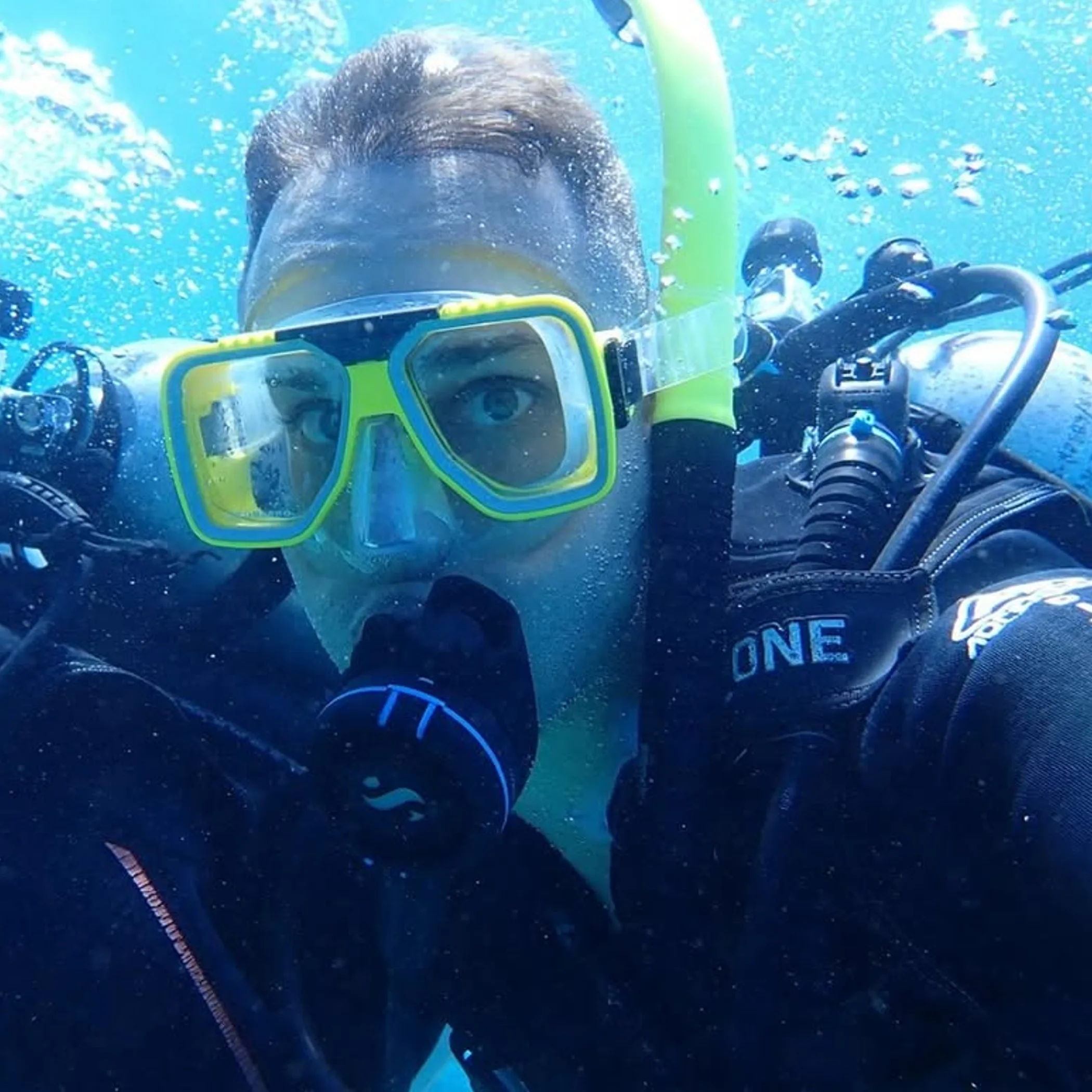
One does not need complicated advice for Great Barrier Reef safety. Be sensible about the gear, pick an operator of repute and know the difference between being confident and competent.
Take this from Rowan Fairchild: the reef is for calm people. So listen, float and have a look around, and the magic will present itself of its own accord. No need to strive for some imaginary holiday medal.
Some FAQs
We field these from beginners, even the ones they are a little chary of voicing.
10 Easy Ways to be kind to the Great Barrier Reef?
There is the no touch policy and keeping your distance from wildlife, not standing on coral and putting rubbish back. Use reef-safe sunscreen and protective clothes to avoid having to put it on all the time in the water. See to it your gear is secure, do not feed the animals, adhere to marine park rules and be discerning in the operators you choose.
Is snorkelling here safe?
With a reputable operator and if you are within your means, for the most part it is. It is not so much the wildlife that poses a risk as panic, sun, dehydration or not heeding the boat briefing.
Things to watch in Cairns?
As a launch point it has its share of tropical heat and UV, and the odd downpour. Offshore marine conditions can alter. Make an early arrival on reef days to sort out marina or pickup details and do not be caught napping with seasickness if the forecast is windy.
Who is best to forgo snorkelling?
Those with medical issues an operator deems unsafe without clearance, anyone who cannot hold his composure face-down in the water or is impaired by alcohol or illness, and those not a safe enough swimmer for open water would be wise to sit it out or consult a doctor.
Is a stinger suit and the right sunscreen a must?
Often. Operators on the Great Barrier Reef will supply a stinger suit to ward off jellyfish and the sun. For the skin, a product with zinc oxide or titanium dioxide used in conjunction with UPF clothing is only sensible.
